Next-Level Code. Nexuvibe Style ...
Hrs
Min
Sec

Cart abandonment is rarely one failure mode. Shipping surprises, coupon conflicts, guest-checkout friction, payment declines, address validation errors, and plain distraction all compete for blame. Wallet balances add another layer: they can behave like stored value that lowers the card charge, or like a loyalty currency that interacts with promotions in ways shoppers do not model in their heads. Stores that ship wallet features without explaining limits, stacking rules, and presentation order often measure a short-lived bump followed by elevated support tickets and quieter checkout exits on mobile where mental math is harder under thumb scrolling.
Partial coverage matters because many customers do not want to drain a wallet completely on every purchase. They treat balances as budgeting tools, regret buffers, or cashback reservoirs. Letting them apply part of the wallet and pay the remainder with a card mirrors how people already split costs offline. The engineering and policy question is whether your checkout surfaces that split clearly enough for first-time wallet users and whether your operational rules align with how often your catalog expects replenishment, returns, and partial refunds across payment rails.
Below is an implementation-agnostic playbook for WooCommerce merchants evaluating hybrid wallet flows, followed by where a dedicated wallet layer fits when native gateways alone cannot expose balance application with the transparency repeat buyers expect. For store owners comparing plugins, start from the product surface area in the WooCommerce smart wallet plugin with partial checkout coverage and cashback tooling, then validate each claim against your theme, gateway stack, and average order profile rather than demo-store defaults.
Friction is not synonymous with number of clicks. Friction is uncertainty about price, eligibility, and what gets charged next. Partial wallet coverage helps when shoppers already trust your store enough to carry a balance and when applying that balance clarifies the remainder owed on the card. Subscription-adjacent merchants, replenishment categories, hobbyist verticals with frequent repeat purchases, and brands with active loyalty credits often see hybrid payment as the closest digital analogue to handing over a gift card plus a bank card when the gift card does not clear the entire total.
When customers reorder consumables or accessories on a rhythm, stored value accelerates checkout because the mental model is already “my account holds money for this shop.” Partial application prevents the all-or-nothing choice that makes some buyers defer the purchase until they accumulate enough balance to cover 100 percent, which is classic delayed conversion behavior.
Hybrid payment shines when shoppers can dial wallet usage down to leave a intentional remainder on the card for bookkeeping, employer reimbursement rules, or joint household purchasing. In those cases, clarity beats maximal automation. Showing wallet, coupon, shipping, taxes, and card remainder in one legible stack matters more than saving a single tap.
If your operations team prefers account credit over card refunds for partial returns or service recoveries, customers accumulate mixed-value wallets quickly. Offering partial application prevents stranded balances that feel unusable because the customer refuses to top up just to reach an arbitrary checkout threshold. That stranded-balance psychology is a quiet abandonment driver at the emotional level even when the cart technically still contains items.
From a conversion standpoint, the strongest signal that partial wallet coverage belongs in your roadmap is repeat purchase rate combined with median session length at checkout on mobile. If returning buyers linger on the pay step without failing payments, you may be observing hesitation rather than issuer declines. Hybrid layouts that expose running totals reduce unnecessary price recomputation in the shopper’s working memory. WooCommerce merchants documenting order lifecycles should align internal vocabulary with how WooCommerce order records represent totals across statuses so finance and support interpret wallet deductions consistently when orders move from pending to processing.
When evaluating extensions, prioritize implementations that expose partial application as an explicit shopper choice with defaults that respect consent, not silent draining. Merchants comparing solutions can review how to apply stored wallet balance alongside card payments at checkout as feature-level intent, then verify behavior inside your Blocks or classic checkout depending on theme hooks and gateway compatibility.
Wallet-first flows stumble when they reorder monetary information in ways that feel like the store is manipulating priority of funds. Customers tolerate complexity when they chose it. They resent complexity when it appears at the moment of payment with little prepayment education. Automatic application of wallets can trigger perception problems even when legally compliant: shoppers interpret unexpected balance reductions as coupons removed, discounts clawed back, or loyalty currency devalued mid-session.
Another failure mode is technical rather than psychological: checkout plugins that assume a single tender path often interact poorly with custom fee lines, marketplace splits, or multi-step UIs that recalculate totals when address fields change. Under High-Performance Order Storage, order tables diverge from legacy post storage in ways that are mostly beneficial for scale, but teams should still reconcile how wallet deductions persist when WooCommerce transitions orders between statuses. Read the storage migration notes on High-Performance Order Storage for WooCommerce orders alongside your wallet plugin documentation so support macros reference the correct underlying order model when explaining partial captures and refunds.
If your catalog depends on aggressive coupon acquisition, wallet-first layouts that obscure coupon eligibility until late in checkout can cannibalize the very incentive designed to reduce abandonment. Sometimes the fix is sequencing: educate wallet usage in My Account and cart, not only at payment. Stores focused on clarity sometimes pair educational copy with My Account wallet cards and cashback visibility for returning shoppers so the shopper arrives at checkout pre-informed about how balances interact with promotions.
Wallet psychology splits into two mental accounts: money that feels like cash and points that feel like conditional perks. When balances behave like cash, shoppers want transparent subtraction. When balances behave like points, shoppers tolerate odd increments but expect explicit earn-and-burn tables. Hybrid wallets that mix cashback, refunds, and promotional credits blur those categories. If your UI labels everything as “wallet money,” shoppers will treat it as fungible cash. If some portions expire or exclude categories, failure to differentiate creates distrust precisely when payment authorization demands trust.
Advance communication flips surprise into agency. That is why many high-retention merchants echo wallet balances in email flows, SMS if consented, and authenticated areas of the site. The shopper who sees a balance story before checkout completes has already done the emotional math. The shopper who discovers a balance only after entering card details often reevaluates whether the session is trustworthy. For plugin evaluation, distinguish marketing claims from navigable account experiences. A long-form store page describing split wallet and card totals engineered to reduce cart abandonment on WooCommerce should map to screens you can click through in a staging environment with your real shipping classes and fee rules enabled.
Mobile checkout is not a shrunken desktop experience. It is a different workload: one thumb, intermittent connectivity, overlapping system keyboards, and split attention. Partial wallet flows that look fine on a developer monitor can collapse into accordion stacks that bury the card charge under multiple disclosure toggles. The goal is not minimalism at all costs but predictable vertical order: incentives, qualifications, deductions, remainder, payment action.
Mirror the wallet deduction and updated pay-today amount in a condensed bar that stays visible while fields receive focus. If the shopper cannot see the consequence of changing wallet amount while typing, they will revert the page to re-validate totals, which shows up as session delay and abandonment in analytics.
Partial application often invites manual entry. Provide increment controls, preset percentages, or max-apply shortcuts to reduce typo loops. Each failed submission due to boundary validation is another moment where simpler gateways tempt the shopper away.
Never stack two monetary adjustments inside one collapsed panel without sublabels. On mobile, separate rails reduce misattribution when WooCommerce recalculates shipping after postcode changes.
Replace generic failure with specifics: increase wallet usage by X to meet minimum, remove coupon Y to stack correctly, or choose another gateway when remainder drops below processor floor. Precise remediation reduces repetitive submissions that analytics misclassify as harmless retries.
Because this article’s checkout sequence screenshot row intentionally relies on prose rather than an extra storefront mock, describe your own live checkout aloud during QA: subtotal after coupon, wallet line, shipping, taxes, expected card capture, and order total. If any step requires you to scroll back upward to reconcile numbers, assume mobile shoppers face the same friction under higher cognitive load. Developer references for broader WooCommerce checkout hooks evolve over time; bookmark WooCommerce developer documentation for schema-level changes that may influence how wallet plugins attach fees or metadata to orders when Blocks checkout iterates.
Measurement discipline separates confident rollout from hopeful rollout. Cart abandonment rate alone is a blunt metric because campaigns, seasonality, and inventory shocks move it weekly. You want cohort-style comparisons: checkout sessions that reached the pay step, segmented by device, returning status, and basket size, observed across equivalent calendar windows. If you run paid acquisition, isolate paid and organic separately because wallet features disproportionately affect returning sessions where balances exist.
Anchor on server-side events where possible: checkout started, shipping method chosen, payment method interactions, order placed. Client-only metrics undercount resilient shoppers who continue after crashes. Align event names with GA4 if you use it, but keep an internal spreadsheet mapping WooCommerce order IDs for reconciliation.
Toggle visibility for percentage of authenticated customers or for internal testers first. Capture baseline abandonment for two stable weeks before widening exposure. Wallet balances need time to accumulate or the experiment measures UI novelty before economics stabilize.
Qualitative signals matter alongside percentages. Tag support conversations that mention wallet, coupon stacking, or refunds within fourteen days of launch. A flat abandonment curve paired with rising ticket volume means you traded silent exits for audible confusion. Likewise, observe average order value and margin after wallet adoption: partial payment can increase conversion while trimming net cash collected if discounts and wallet balances stack aggressively. Balance commercial outcomes with conversion outcomes instead of declaring victory on a single KPI.
When correlating findings with tooling choices, differentiate native gateway features from WooCommerce extensions that centralize ledgering. A focused product narrative helps stakeholders understand scope, for example reviewing NEXU wallet and cashback rules for WooCommerce stores that prioritize partial redemption against your operational policy for crediting returns. The plugin is not a substitute for financial accounting, but it concentrates shopper-facing mechanics that influence whether analytics improvements persist beyond launch week.
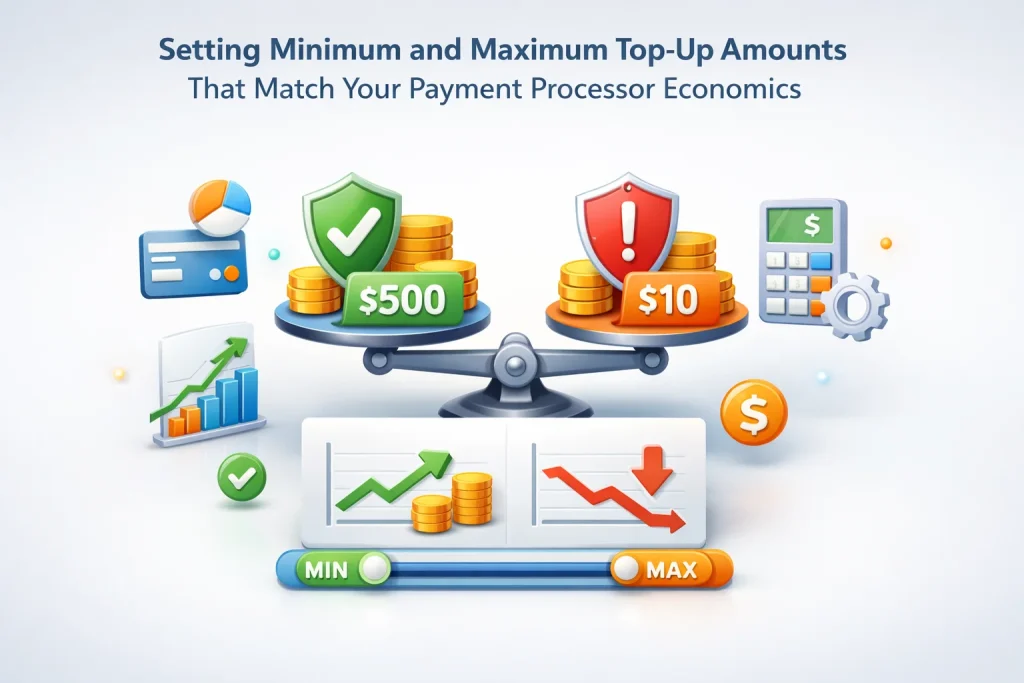
Average order value is not vanity; it sets viable minimum wallet increments, sane partial apply floors, and realistic cashback percentages. If typical orders cluster tightly around forty currency units, a generous wallet promotion can accidentally fund nearly entire purchases unless minimum card remainder rules exist for fraud and fee coverage. Conversely, luxury merchants with sparse transactions may prefer fewer restrictions but clearer storytelling because each cart already carries margin headroom.
Start from distribution, not the mean alone. Median order value and interquartile range tell you whether a cap or min-remainder rule will bite a meaningful slice of customers. Heavy-tailed catalogs with frequent small add-on purchases behave differently from shops where every cart clears a high free-shipping threshold. Partial wallet redemption policies should survive a stress test against your last twelve months of order lines, not against a spreadsheet hypothesis from marketing.
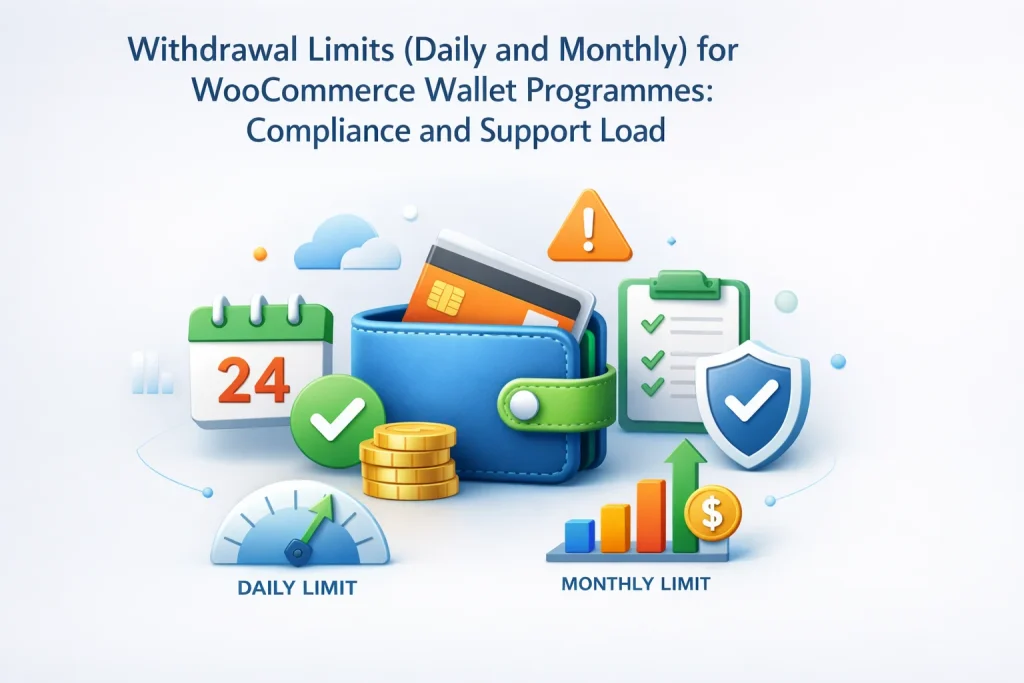
When merchants evaluate extensions, tie configuration screens to finance approval checkpoints. Wallet maximums that sound protective in meetings can contradict weekend promotions unless someone owns the calendar where limits change. Documentation inside your commerce stack should record who can alter caps and how quickly store-facing copy updates afterward. Mapping parameters is easier when product pages enumerate guardrails transparently; compare your internal worksheet with configurable wallet limits aligned with typical WooCommerce average order values so engineering and merchandising interpret the same knobs.
Stores blending wholesale and retail pricing need explicit exclusion lists so wallet balances cannot launder discounts across customer roles. WooCommerce role-based pricing plugins vary widely; treat wallet eligibility as part of your compliance story, not only your UX story. Misaligned rules surface as abrupt checkout stops that resemble abandonment even when shoppers intend to complete payment once they understand the restriction.
Policies earn trust when they mirror what the checkout UI already enforces. Legal prose that contradicts visible wallet behavior trains customers to doubt both. Write wallet sections in your terms as operational descriptions: what counts as wallet balance, how partial redemption interacts with promotions, whether balances expire, how refunds allocate across tender types, and how disputes route through support. Avoid aspirational promises your gateway stack cannot satisfy under edge cases like partial captures or split refunds across cards and ledger.
In-account microcopy carries equal weight because it arrives earlier than checkout. Balance summary screens should disclose non-monetary caveats inline: categories excluded, upcoming expirations, pending holds when an authorization has not cleared, and earned cashback sitting in a pending state versus immediately spendable wallet money. Customers who learn those facts while calm tolerate friction later; customers surprised during payment interpret friction as malpractice.
Define acquisition paths for wallet funds (purchase, promotional grant, refund credit), whether balances are transferable, and jurisdictional nuances if you operate internationally. Cross-border WooCommerce setups sometimes route refunds differently depending on processor settlement currency; wallet ledgers abstract that complexity for shoppers only when your prose acknowledges exchange assumptions.
Use short, testable sentences customers can compare against checkout labels. Link to a single authoritative FAQ chunk rather than scattering partially overlapping blurbs across emails, banners, and checkout notices that drift out of sync after theme updates.
Agents should paste explanations using the same words customers see on-screen. Divergent vocabulary between helpdesk replies and checkout increases perceived dishonesty even when both statements are technically compatible.
Merchant-branded wallet programs compete with noisy inboxes; clarity is retention infrastructure. Where plugins expose templated phrases, customize them early so translators receive stable source strings before multilingual launches. Teams standardizing messaging across regions often consolidate on a single extension precisely because ledger complexity should not multiply with every localization branch.
Treat wallet rollout as a capacity decision, not a feature flag flipping competition. Enable when your storefront already handles coupons, shipping tiers, and refunds without chronic checkout defects. Tune when fundamentals work but economics or UX sequencing needs adjustment: caps, presentation order, eligibility scopes, partial defaults. Defer when foundational instability would weaponize wallet balances into customer service debt — for example unresolved tax rounding bugs, incompatible gateway combinations, or frequent inventory oversells that force refund credits customers immediately try to reuse at checkout.
Run parallel monitoring for at least two purchase cycles. Announce changes to authenticated customers with an inline account notice summarizing partial apply in one sentence plus a link to policy details.
Iterate when data shows concentration of exits at wallet entry fields or correlated support tags about thresholds. Adjust copy before adjusting promotion depth; price perception problems are often vocabulary problems.
Major gateway migrations, global tax engine changes, or unfinished HPOS reconciliation with legacy meta all qualify. Shipping a wallet under those conditions measures chaos, not shopper preference.
The most defensible implementations pair business rules with incremental release discipline. Partial payment is persuasive when shoppers feel in control of the split. The same mechanic backfires when it appears as a merchant-side optimization masquerading as customer choice. Anchor your roadmap in observable behavior, not slogan-level claims about abandonment reduction.
Teams ready to consolidate wallet ledgering, cashback, and shopper transparency often standardize on a dedicated WooCommerce extension so finance, support, and theme developers share one vocabulary for credits, holds, and split tender outcomes. Evaluate the product experience and policy fit on the canonical listing for NEXU Smart Wallet & Cashback for WooCommerce checkout and account balance UX, then stage orders that mirror your heaviest promotional weeks before exposing the flow to your full customer base.
Ultimately, wallet pay is an instrument for trust transfer. Partial application extends that trust only when totals stay legible, limits read as fair, refunds feel predictable, and analytics prove the shopper’s journey improved rather than your dashboard simply retitled existing friction. Keep measuring, keep language precise, and keep checkout behavior aligned with what authenticated account screens already promised.
NEXU Smart Wallet & Cashback centralizes balances, redemption rules, and shopper-facing summaries so hybrid payment stays legible on mobile and honest in policy.


Won't show my card balance. useless
Got this after a friend raved about it cutting cart abandonment
This guide totally saved me from a messy rollout. I was about to push partial wallet payments live without testing how coupons and shipping thresholds messed with the balance display